
9 Best Payment Gateway Providers in Indonesia for 2026
If you're building a daftar payment gateway indonesia for your business, you already know the market isn't simple. Indonesian shoppers expect QRIS, e-wallets like GoPay and OVO, virtual accounts, and bank transfers, not just cards. Pick the wrong provider and you'll see abandoned checkouts, delayed settlements, and support tickets that go nowhere.
This guide answers exactly what you're searching for: a ranked, practical comparison of the payment gateways actually worth using in Indonesia in 2026. We look at local payment method coverage, settlement speed in IDR, integration effort, pricing structure, and how responsive each provider is once you're live and processing real transactions, not just during the sales pitch.
We cover nine providers, from established local players to regional gateways that also serve merchants across Southeast Asia. Each entry includes who it fits best, what industries it supports well (e-commerce, gaming, fintech), and where it falls short. Whether you need strong QRIS coverage, crypto and USDT settlement options, or hands-on merchant support beyond a basic integration, you'll find a clear starting point here instead of another generic feature list.
1. CoinPay – built for merchants expanding across Asia
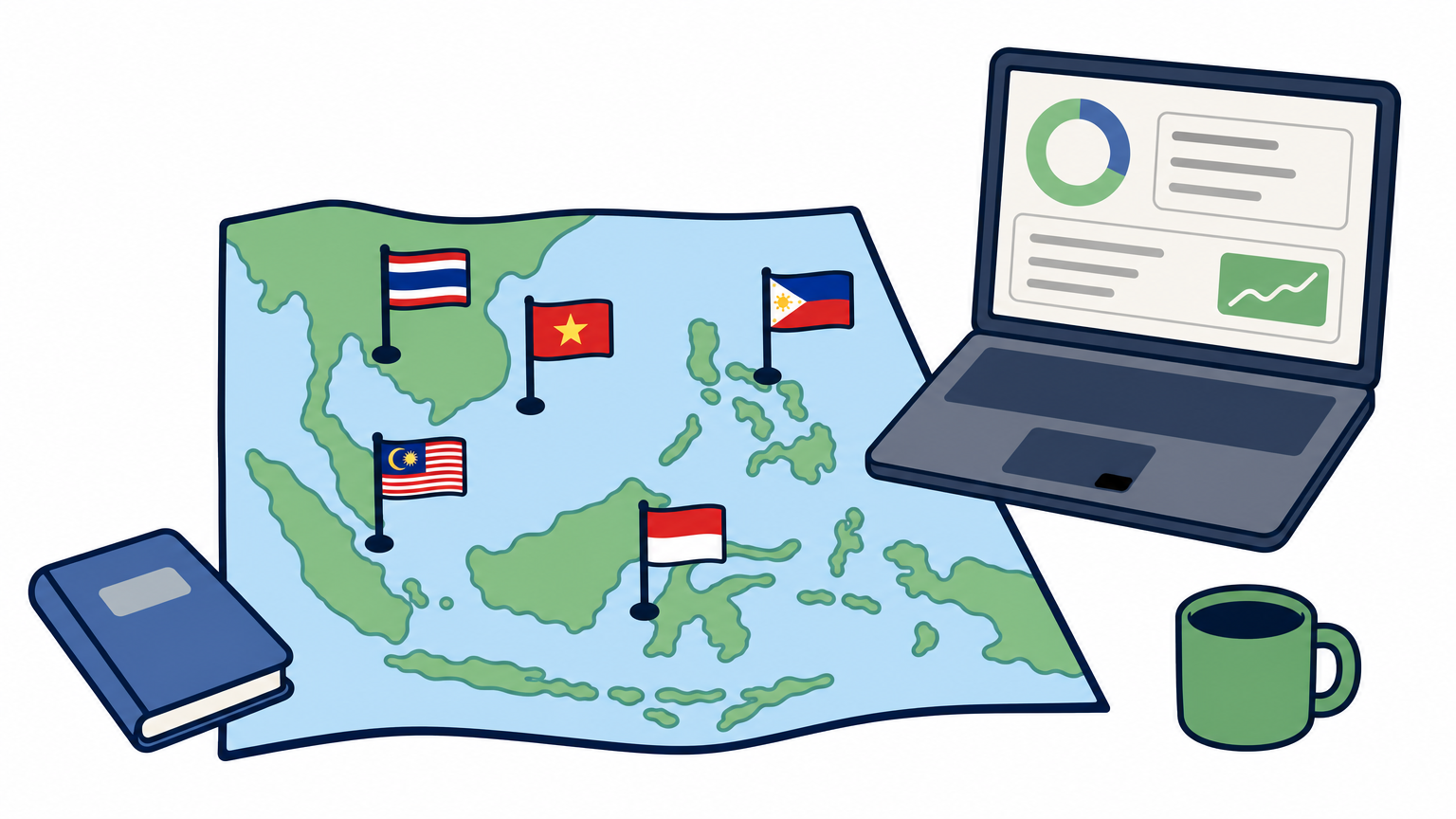
CoinPay stands apart from most entries on this daftar payment gateway indonesia because it wasn't built as a single-country tool. It's a regional payment infrastructure provider covering Indonesia alongside Thailand, Vietnam, the Philippines, Malaysia, Bangladesh, and India, which matters if your business plans to scale beyond one market. Merchants who onboard with CoinPay get a structured verification process rather than an instant sign-up form, and that's intentional: the company screens out scams and money-game operations to protect the payment rails for everyone else on the network.
A payment gateway that vets its merchants as carefully as it vets its payment methods is one you can build a long-term business on.
Key features
What sets CoinPay apart is the combination of hands-on merchant support and multi-market operations under one account. Instead of a purely self-service dashboard, you get a team that reviews your deposit journey, flags friction points, and monitors payment performance after you go live. This consulting-style approach is rare among gateways that treat integration as a one-time task rather than an ongoing relationship.
Supported payment methods
CoinPay covers the local rails merchants expect in each market it serves, plus a separate USDT and stablecoin settlement option for businesses that want crypto exposure without building that infrastructure themselves.
- Local bank transfers and virtual accounts across supported countries
- Market-specific rails such as PromptPay-linked THB settlement in Thailand
- USDT and stablecoin payment processing as a distinct service line
- E-wallet and QR-based methods depending on market coverage
Who it's best for
CoinPay fits merchants expanding regionally, not just those operating in a single Indonesian storefront. E-commerce platforms, gaming operators, and fintech businesses that need compliant onboarding and ongoing support across multiple Asian markets will get the most value here. If your business already has clean KYC documentation and you're not running a gray-area operation, the review process moves smoothly.
Pricing and fees
Pricing runs on a negotiated, merchant-specific model rather than a flat published rate card, which reflects the review-and-relationship approach rather than a plug-and-play API. You'll go through a business verification and due diligence step before quotes are finalized, so expect a short onboarding conversation before you see final settlement and transaction fee terms. Merchants who want details on coverage and onboarding can start with CoinPay directly.
2. Midtrans – Indonesia's most widely integrated gateway
Midtrans, now part of GoTo Group, is the name most Indonesian developers think of first when building a daftar payment gateway indonesia. It's been around since 2012 and has integrated with more e-commerce platforms, POS systems, and shopping cart plugins than almost any competitor here. That maturity shows up in documentation quality and the sheer number of ready-made plugins for Shopify, WooCommerce, and Magento.
The gateway with the most integrations already built usually saves you the most engineering hours.
Key features
Midtrans offers a hosted checkout page called Snap, which handles PCI compliance and UI updates on their end so you don't maintain payment forms yourself. It also includes tools against payment gateway fraud in Indonesia and a merchant dashboard with settlement reporting built in.
Supported payment methods
Coverage here is broad and mainstream:
- Credit and debit cards (Visa, Mastercard, JCB)
- QRIS and GoPay
- Bank transfer and virtual accounts (BCA, Mandiri, BNI, Permata)
- Convenience store payments (Indomaret, Alfamart)
Who it's best for
Smaller online retailers and startups that want a fast, plugin-based integration will find Midtrans easiest to launch with. It suits businesses prioritizing speed to market over deep customization.
Pricing and fees
Fees run per transaction, typically around 2 to 3 percent for cards and lower flat fees for bank transfers and e-wallets, with no fixed monthly cost for standard accounts.
3. Xendit – developer-friendly payments for growing businesses
Xendit built its reputation on clean API documentation and a developer-first approach that appeals to tech teams who want full control over the checkout flow instead of a hosted widget. Founded in 2015, it now serves thousands of businesses across Indonesia and the Philippines, with startups and scale-ups making up a large share of its customer base. If your engineering team wants to build a custom checkout rather than embed someone else's page, Xendit gives you the flexibility to do that.
Developers pick gateways with clean documentation, not just competitive rates.
Key features
Xendit's dashboard includes disbursement tools for paying out to bank accounts and e-wallets in bulk, which matters for marketplaces and platforms that need to split payments between multiple recipients. It also offers webhooks, sandbox testing environments, and detailed transaction logs that make debugging integration issues faster.
Supported payment methods
Coverage spans the methods Indonesian and Filipino shoppers expect:
- Cards, QRIS, and e-wallets (OVO, DANA, LinkAja)
- Virtual accounts across major Indonesian banks
- Retail outlet payments
- Direct debit for recurring transactions
Who it's best for
Growing tech companies and marketplaces with in-house developers get the most from Xendit's API-driven design. It's a weaker fit for small merchants without technical resources, since there's no simple plugin-and-go path like some competitors offer.
Pricing and fees
Transaction fees vary by method, generally landing between 1.5 and 3 percent, with volume-based discounts available once you negotiate directly with their sales team.
4. DOKU – Indonesia's pioneer payment gateway
DOKU has been processing payments in Indonesia since 2007, making it the oldest name on this daftar payment gateway indonesia list. That longevity means deep relationships with local banks and regulators, plus a track record that predates most competitors' founding dates. Businesses that value institutional stability over flashy dashboards tend to gravitate here.
Key features
DOKU offers a hosted payment page alongside a full API for custom builds, so both non-technical merchants and development teams can integrate without switching providers later. It also runs a fraud-screening layer and settlement reporting tuned to Indonesian banking cycles, which reduces reconciliation headaches for finance teams.
A gateway that survived nearly two decades of Indonesia's regulatory changes has earned its place on any serious shortlist.
Supported payment methods
Coverage reflects DOKU's bank-first heritage:
- Bank transfer and virtual accounts (BCA, BNI, Mandiri, Permata)
- QRIS and major e-wallets (GoPay, OVO, DANA)
- Credit and debit cards
- Installment and cicilan options through partner banks
Who it's best for
Established retailers and financial services firms that prioritize compliance history and banking relationships over cutting-edge developer tools will find DOKU a comfortable fit. It's less appealing to lean startups wanting the fastest possible API integration.
Pricing and fees
Fees sit in the standard local range, roughly 2 to 3 percent per card transaction, with lower rates for bank transfers, and no published monthly minimums for most merchant tiers.
5. Faspay – built for recurring and subscription billing
Faspay has carved out a niche among Indonesian gateways by focusing on recurring billing rather than trying to be everything to everyone. Founded in 2010, it built its infrastructure around subscription businesses and installment-based commerce long before that became a mainstream demand. If your revenue model depends on repeat charges instead of one-off checkouts, this focus shows up in how the platform is structured end to end.
Key features
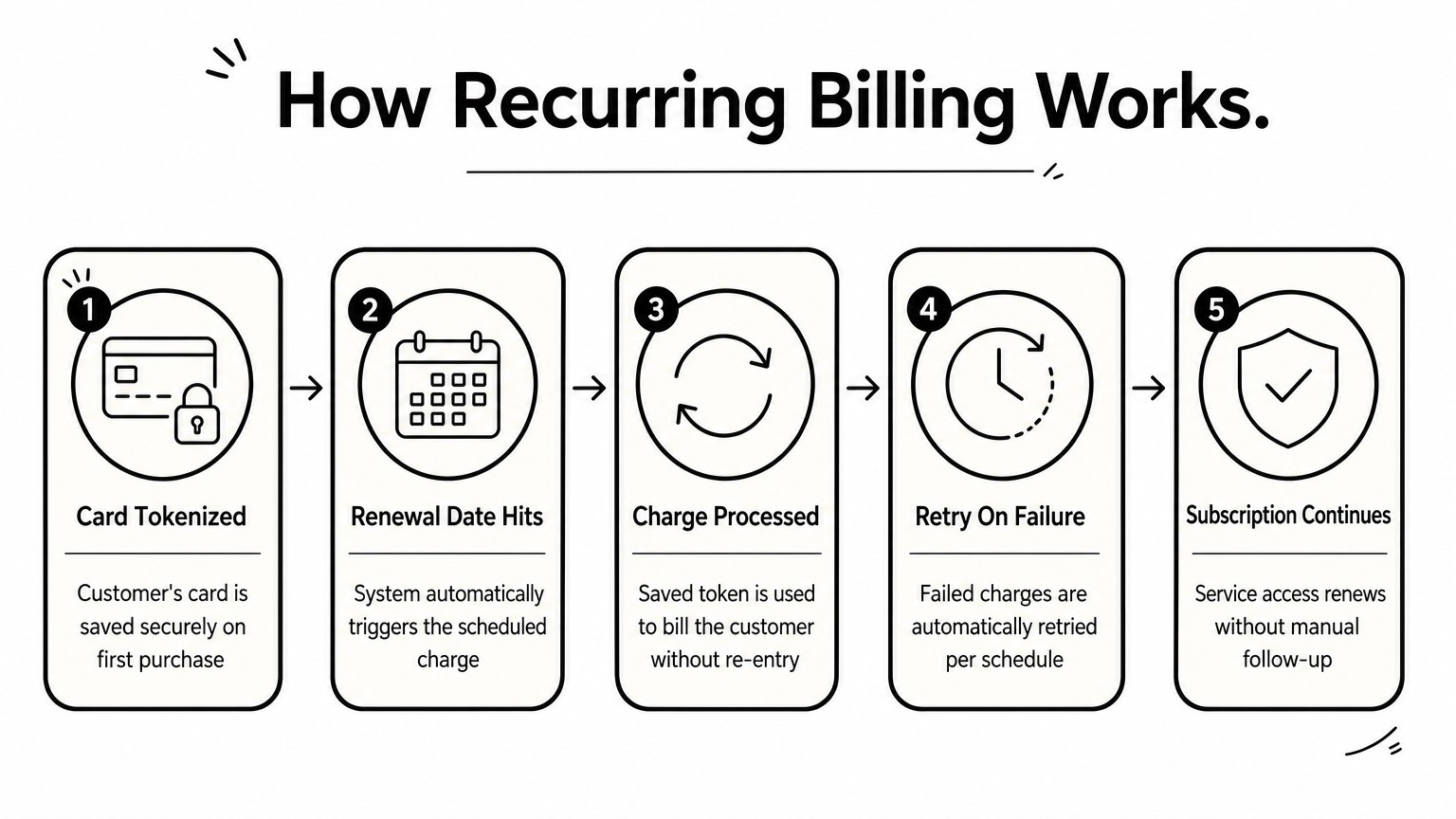
Faspay's standout tool is its tokenized card storage system, which lets merchants charge saved cards automatically on renewal dates without asking customers to re-enter details each cycle. It also includes a billing scheduler and retry logic for failed recurring charges, reducing the manual follow-up that subscription businesses usually dread.
Subscription businesses live or die on renewal rates, and that starts with how smoothly a gateway handles repeat charges.
Supported payment methods
Coverage includes the essentials for recurring and one-time payments alike:
- Tokenized credit and debit cards for automatic renewals
- QRIS and virtual accounts (BCA, Mandiri, BNI)
- E-wallets including GoPay and OVO
- Bank transfer for manual top-ups
Who it's best for
SaaS platforms, media subscriptions, and membership-based businesses get the clearest benefit from Faspay's architecture. Merchants running purely transactional storefronts without repeat billing needs won't see much advantage over competitors listed elsewhere in this daftar payment gateway Indonesia comparison.
Pricing and fees
Faspay charges per-transaction fees similar to other local gateways, generally 2 to 3 percent for cards, with negotiated rates for high-volume subscription merchants processing recurring charges monthly.
6. Winpay – strong retail network for SMEs
Winpay built its name by focusing on offline retail distribution, a gap most digital-first gateways on this daftar payment gateway indonesia list don't cover well. Since launching, it has partnered with convenience stores and payment kiosks across the archipelago, giving small merchants a way to accept cash-based deposits that convert into digital settlement. That physical footprint matters if your customers still prefer paying in person before an order ships.
A payment gateway is only as useful as the last mile it actually reaches, and for many Indonesian shoppers that last mile is a kiosk counter, not an app.
Key features
Winpay's core strength is its retail collection network, letting unbanked or cash-preferring customers pay through physical outlets while merchants still get consolidated digital reporting. It also offers a lightweight API and a merchant portal for tracking settlements without heavy engineering work.
Supported payment methods
Coverage leans toward accessible, cash-adjacent rails:
- Convenience store and kiosk payments
- Virtual accounts across major banks
- QRIS
- Bank transfer
Who it's best for
Small and mid-sized retail and marketplace sellers serving price-sensitive, cash-comfortable customers get the most from Winpay. It suits merchants outside major cities where card and e-wallet penetration is lower than in Jakarta or Surabaya.
Pricing and fees
Fees run on a flat per-transaction basis for retail collection points, generally lower than card processing rates, with standard bank transfer and QRIS pricing comparable to other local gateways covered here.
7. Espay – specialist in B2B payment infrastructure
Espay Debit Indonesia Koe built its business around backend payment infrastructure rather than consumer-facing checkout pages, which sets it apart from most names on this daftar payment gateway indonesia list. It works with banks and financial institutions as a switching and processing partner, then extends that same infrastructure to merchants who need reliable rail connections rather than a flashy dashboard. Companies that need dependable plumbing more than a polished UI tend to end up here.
Infrastructure providers earn trust by staying invisible, not by being the flashiest name in the room.
Key features
Espay's core strength is its licensed switching capability, which lets it connect directly into Indonesia's national payment infrastructure instead of routing through third-party aggregators. It also supports bulk disbursement, payroll-style payouts, and settlement reconciliation tools built for finance teams managing high transaction volumes.
Supported payment methods
Coverage is built for B2B and institutional use cases:
- Virtual accounts across major national banks
- QRIS acceptance
- Bulk disbursement and payroll payouts
- Interbank transfer switching
Who it's best for
Fintech companies, lending platforms, and enterprise finance teams that need backend payment rails rather than a hosted checkout page get the most value from Espay. It's a poor match for small online stores wanting a quick plugin integration.
Pricing and fees
Pricing is largely custom and volume-based, negotiated directly with Espay's commercial team rather than published as a flat rate card, reflecting its focus on institutional and enterprise merchant relationships.
8. OY! Indonesia – secure bank transfers and escrow
OY! Indonesia started as a mobile wallet infrastructure company before expanding into full payment gateway services, and that origin shows in how seriously it treats fund security and account verification. It built its reputation on escrow-style holding accounts, originally for marketplaces that needed to protect buyers and sellers during multi-day delivery windows. Merchants who handle high-value transactions or need proof that funds are safely held before release tend to shortlist OY! early.
Escrow isn't a nice-to-have for marketplaces, it's the feature that stops disputes before they start.
Key features
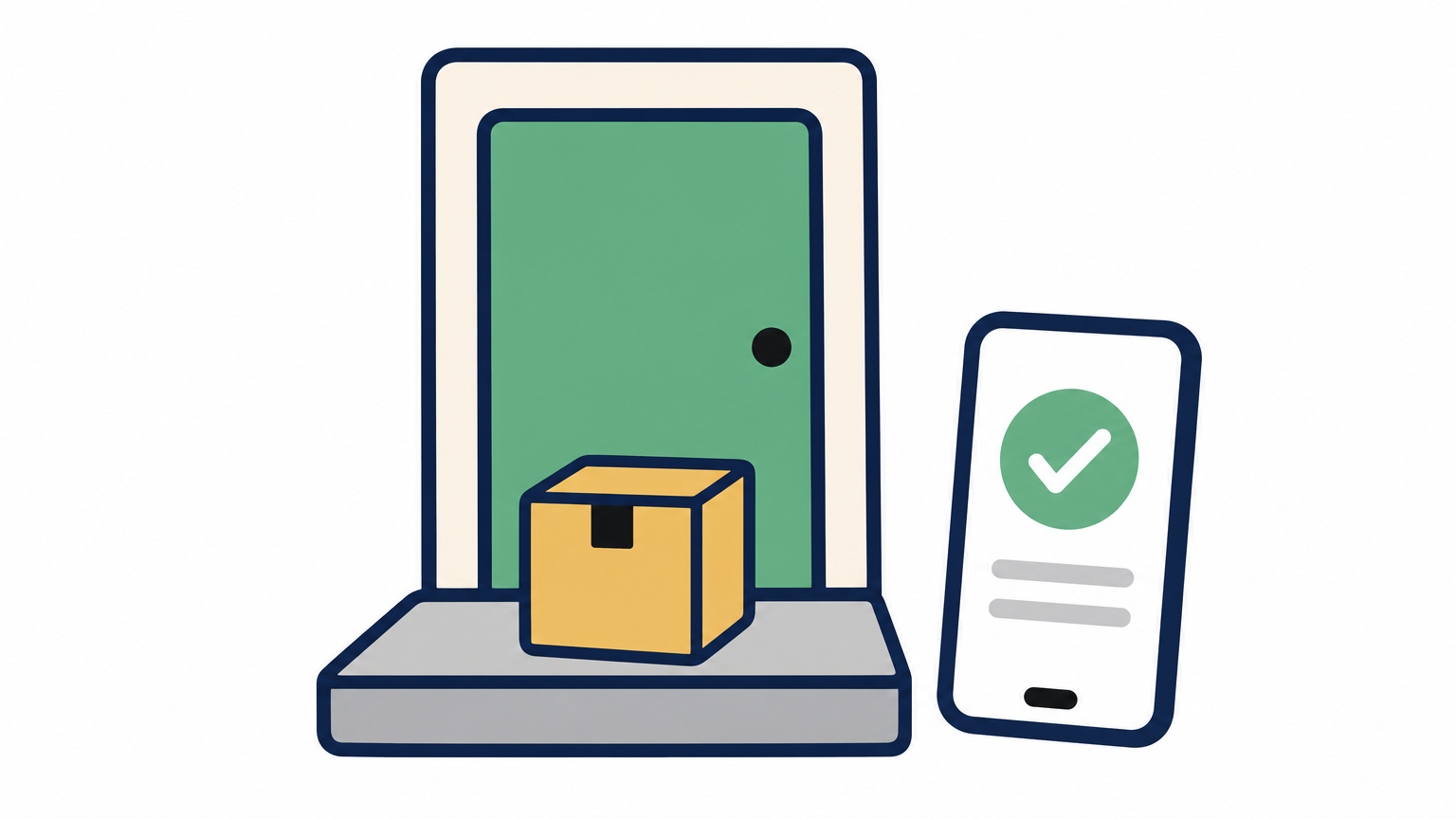
OY!'s standout tool is its escrow and holding account system, which lets platforms release funds to sellers only after delivery confirmation instead of settling instantly on checkout. It also offers a disbursement API for bulk payouts and a compliance layer built around Bank Indonesia licensing requirements.
Supported payment methods
Coverage centers on bank-based and wallet transfers rather than cards:
- Virtual accounts across major national banks
- Bank transfer with escrow holding options
- QRIS acceptance
- Bulk disbursement to bank accounts and e-wallets
Who it's best for
Marketplaces, peer-to-peer platforms, and lending apps that need verified fund holding before release get the clearest value from OY!. Standard e-commerce stores without escrow needs won't gain much over cheaper gateways covered earlier in this list.
Pricing and fees
Pricing runs on negotiated commercial terms, with escrow and disbursement fees quoted separately from standard transfer processing based on volume and use case.
9. NICEPAY – strong international card processing
NICEPAY built its reputation on cross-border card acquiring, a gap most locally focused gateways in this daftar payment gateway indonesia comparison leave underserved. Backed by NHN KCP, a South Korean payment technology firm, it brings acquiring relationships that make international card acceptance smoother for merchants selling to tourists, expats, or overseas buyers shipping into Indonesia. That international backing shows up in how it handles multi-currency card traffic compared to purely domestic competitors.
International card acceptance separates gateways built for tourists and cross-border buyers from ones built only for local wallets.
Key features
NICEPAY's core advantage is its 3D Secure card processing, tuned specifically for reducing fraud on international transactions without adding friction for domestic cardholders. It also provides a hosted checkout, a merchant dashboard with settlement tracking, and API access for teams wanting a custom flow.
Supported payment methods
Coverage blends card strength with local rails:
- International and domestic credit and debit cards (Visa, Mastercard, JCB)
- QRIS and major e-wallets
- Virtual accounts across national banks
- Convenience store payments
Who it's best for
Travel platforms, cross-border e-commerce sellers, and businesses processing significant foreign card volume get the most from NICEPAY's acquiring strength. Merchants dealing almost entirely in domestic e-wallet traffic won't see a distinct advantage here.
Pricing and fees
Fees run slightly higher for international cards, typically 2.5 to 3.5 percent, with standard local rates applying to QRIS, virtual accounts, and domestic bank transfers.
Finding the right fit for your business
Narrowing down a daftar payment gateway indonesia comes down to matching your business model to a provider's actual strength, not chasing whoever ranks first in a search result. A subscription business needs Faspay's billing tools, a marketplace needs OY!'s escrow, and a cross-border seller needs NICEPAY's card acquiring. None of these gateways are interchangeable once you look past the surface-level feature lists.
If your business plans to grow beyond Indonesia into Thailand, Vietnam, the Philippines, or beyond, that's where most of the nine providers above fall short. Regional scaling means juggling separate merchant accounts, separate compliance checks, and separate support teams for every market you enter. CoinPay solves that by giving you one verified relationship across multiple countries, backed by hands-on support instead of a self-service dashboard you're left to figure out alone. If that matches where your business is headed, book a call with CoinPay for a free demo and see what a regional setup could look like for you.